
Drugs that Harm Vision
Medicines for these conditions can harm your eyes:
The human body is a collection of tissues and organs which are intimately interconnected and mutually dependent. The overall health of one’s body or lack of health can play a significant role in the health of one’s eyes. Also see Eye Care for Seniors.
For example, the effects of uncontrolled diabetes can often lead to vision loss due to bleeding in the eyes (Diabetic Retinopathy). Poor circulation can lead to retinal thinning and even Macular Degeneration.
 See this information sorted by kind of vision damage.
Well targeted medications can be life-saving, but can also have a negative effect on one’s vision over time, so should be carefully considered and monitored by one’s doctor. In some cases, certain drugs increase light-sensitivity, so in these cases it is particularly important to wear sunglasses that block out 100% of the ultraviolet rays (amber or brown are the best color lenses to wear). In addition, you should maintain a healthy diet, exercise regularly, and supplement daily with a high quality eye formula and whole food multivitamins. These vitamins, minerals and antioxidants can help preserve vision and lessen the negative effects of medications.
Here is a review of the most common medications taken in the United States and their potential effects on the eyes. It may not be complete. Always ask your physician about side effects and make sure they know about other medications you are taking and possible contraindications. Be sure to read labels about side-effects.

Acne
- Isotretinoin is a photosensitizing drug prescribed for acne that can make you more vulnerable to cataracts and macular degeneration.
- Minocycline, used to treat acne, may result in a pigmentation of the sclera typically a blue-grey discoloration, worse in sunlight which goes away with discontinuation of the drug.
- Drugs used to treat acne, such as Accutane can lead to sensations of dust in the eye, redness, burning eyes, temporary vision distortion, dry eye syndrome and night blindness.
Alzheimer's
- Cholinesterase hemorrhaging inhibitors, often prescribed to those suffering from Alzheimer’s disease, can contribute to hemorrhaging in the eye
Antibiotics
- Whenever taking antibiotics make sure you take probiotics such acidophilus or bifidus and vitamin C to help ward off some of the other side effects that affect the rest of the body.
- Oral antibiotics have been tied to retinal detachment. Fluoroquinolones, such as ciprofloxacin (Cipro, Zoxan, Proquin) and levofloxacine (Levaquin, Cravit), (“Oral Fluoroquinolones and the Risk of Retinal Detachment”, which was published in the April 4, 2012 edition of the Journal of the American Medical Association (JAMA). Zoxan, Proquin
- Topical application of prescribed antibiotics may result in allergic conjunctivitis (red eye). Oral and intravenous antibiotics for fight bacterial infections may cause some visual symptoms.
- Synthetic penicillins (amoxicillin and ampicillin) can cause some mild redness of the eyes, itching, and dry eyes. In rare cases they have been shown to cause hemorrhages of the blood vessels in the conjunctiva and in the retina. They can contribute to allergic conjunctivitis.
- Some antibiotics can increase light sensitivity, contribute to dry eye syndrome and risk of glaucoma.
- Amphotericin B can lead to hemorrhage of the blood vessels in the eyes
- Fluroquinone, terbinafine, mefloquine type antibiotics are photosensitizing drugs that can increase your risk of macular degeneration and cataracts
- Tetracycline has similar side effects as synthetic penicillins in addition to causing light sensitivity and blurred vision. It can contribute to allergic conjunctivitis.
- Nalidixic acid is associated with increased fluid pressure around the brain, leading to headache, vision disturbances, and swollen optic nerve.
- The antibiotic linezolid can contribute to optic nerve damage.
- Sulfonamide (“sulfa drugs,” which many people are allergic to) can induce blurred vision, light sensitivity, and hemorrhages in the eye. They can contribute to allergic conjunctivitis. They have a photosensitizing effect and can make you more susceptible to cataracts and macular degeneration.
- Antibiotics are overprescribed and overused and can disrupt the body’s natural chemistry and the fluid balance of the eyes contributing to glaucoma.
- If pregnant women take tetracycline antibiotics, it can cause cataracts in the developing fetus.
Anti-Diuretics
- Anti-diuretics are overprescribed and overused and can unbalance the chemistry of the as well as the fluid balance of the eyes contributing to glaucoma
Antihistamines
- Antihistamines can be a contributing cause of cataracts, increase light sensitivity and contribute to dry eye syndrome. They have a drying effect on your eyes in the same way that they have a drying effect on your nose. Light sensitivity and dry eyes are common side effects. In rare instances it may make your pupils dilate or become unequal in size. If so, report this to your doctor.
- Antihistamines (both prescription and non-prescription, such as alka seltzer) can be harmful for people with angle closure glaucoma (narrow angle glaucoma) triggering an attack of angle closure glaucoma resulting in blurred vision, redness, halos around lighted objects, and pain. This is an emergency condition.
- Antihistamines are photosensitizing drugs (they increase your sensitivity to the sun) that absorb light energy and undergo a photochemical reaction resulting in chemical modification of tissue. They can make you more susceptible to cataracts and macular degeneration.
- Antihistamines, used for allergies, give rise to problems in attention and processing information. These include Hydroxyline, Diphenhydramine, Tripoline, and Promethazine.
Anxiety
- Tranquilizers are photosensitizing drugs (drugs that increase your sensitivity to the sun) that can make you more susceptible to cataracts and macular degeneration.
- Benzodiazepines prescribed for anxiety may cause blepharospasm (eye twitch).
- Benzodiazepines also lead weaknesses in concentration and memory. These include Midazolam, Trazolam, Temazepam, Oxazepam, Lorazepam, Alprazolam, Clonazepam, Diazepam, Florazepam, Clorazepam, Zolpidem, Zopiclone and Zaleplon
Arthritis
- Plaquenil (hydroxchloriquine sulfate), routinely prescribed by rheumatologists for rheumatoid arthritis, it can cause irreversible retinal damage.
- Arthritis see Anti-malaria (Chloroquine)
Asthma
- Nasal steroids, commonly inhaled for asthma are connected to causing open angle glaucoma.
Birth Control
- Birth control pills can contribute to dry eye syndrome
- Oral contraceptives can lead to many eye problems by increasing pressure of the fluid around the brain causing headache, vision changes, and swollen optic nerve.
- Birth control pills can lead to many eye problems, including retinal vascular problems.
- Many birth control pills have make you more sensitivity to sunlight and can result in chemical modification of tissue. They can make you more susceptible to cataracts and macular degeneration.
- Birth Control Pills can lead to a higher incidence of migraine headaches, problems with contact lenses due to dry eyes, and color vision disturbances.
Blood pressure
- Blood pressure medications cause your body to excrete excess fluid and give your blood vessels a break. But, in the eyes less fluid means dry eyes, light sensitivity, possible blurred and/or double vision in some people. Beta blockers are sometimes used to reduce high blood pressure by slowing the kidney’s production of a protein called renin. Renin normally causes the release of a powerful blood vessel constrictor called angiotensin II, which makes it harder for blood to flow through the arteries (thus raising blood pressure) and also causes secretion of hormones that cause water retention (which increases the amount of fluid in the blood). Two common beta blockers are Inderal and Tenormin.
- Blood pressure medications can contribute to dry eye syndrome and sensitivity to light.
- Alpha-1 blockers, used to lower blood pressure can cause a condition (that doesn’t affect vision) called “floppy iris syndrome.” If you are going to have eye surgery you should let your doctor know that you’ve been taking this type of medication, especially tamsulosin.
- Clonidine is a drug used to lower blood pressure. Prolonged use can contribute to damage to the retina.
- Analysis of data from the Beaver Dam Study, a 2 year study of nearly a thousand people aged 43-86, shows that use of vasodilator and hypertension medications increases the risk of developing macular degeneration by 72%. This research continued through 2013 with almost 5000 patients with the same results.
- Data from the same Beaver Dam Study found that use of beta blockers (ie Tenormin & Lopressor) was tied to a 71% increased risk of wet macular degeneration, the more severe and advanced form of AMD.
Blood Thinners
- Heparin, coumadin, anisindione, and other oral anti-coagulants, prescribed to prevent blood clotting can cause hemorrhaging in the eye
Cancer Drugs
- 5-fluoro-uracil (5-FU) a cancer chemotherapy drug can lead to scars and closing the tear drainage system, resulting in eye tearing.
- Tamoxifen, prescribed after breast cancer treatment, can lead to crystalline deposits in the retina and in the cornea.
Depression
- Antidepressants, which change how information is processed in the nerves in the brain. Any medication that affects neurological function can affect vision and cause changes in the cornea, optic nerve, lens, macula and retina.
- Venlafaxine, prescribed for depression can lead to optic nerve damage and/or glaucoma
- Antidepressants (including fluvoxamine (Luvox), venlafaxine (Effexor), and paraxetine (Paxil) raise risk of cataracts by 23 39%, (June 2010, Ophthamology), (“Selective serotonin reuptake inhibitors and the risk of cataracts; a nested case control study” Mahyar Etminan, PharmD, Univ. Brit Columbia, Vancouver, Canada)
- Many antidepressants are drugs that increase your sensitivity to the sun and can make you more susceptible to cataracts and macular degeneration.
- Anti-depressants – can cause dry eyes and contribute to cataract formation.
- Venlafaxine can cause the eye’s blood vessels to hemorrhage
- Antidepressants, prescribed for depression, such as amitriptyline (tri-cyclic antidepressants), increase the risk of acute angle closure glaucoma, but do not increase the risk for “open angle” glaucoma.
- Mirtazapine, prescribed for depression can lead to optic nerve damage and/or glaucoma
- Prozac may cause dilated pupils, double vision, blurred vision, and dry eyes. It can also cause eye pain, eye lid infection (blepharitis), cataracts, glaucoma, ptosis (eyelid droop), and an inflammation of the iris (iritis). These side effects can only be avoided by discontinuing the medication, so if you are taking Prozac be aware that these visual symptoms are normal when taking this drug.
- Tricyclic antidepressants (amitriptyline, desipramine, imipramine, and nortriptyline) may cause such visual effects as loss of the ability to focus up close, dilated pupils, double vision, and dry eyes.
- Valium may cause red eyes, involuntary eye twitching, and some paralysis of the eye muscles.
- Zoloft has very few visual side effects but can cause changes to the cornea.
- Tricyclic antidepressants give rise to problems attention and processing information. These include Amitriptyline and Imipramine.
- Cymbalta has been found to increase the risk of glaucoma.
Diabetes
- Oral anti-diabetes drugs are photosensitizing. They absorb light energy and undergo a photochemical reaction resulting in chemical modification of tissue. They can make you more vulnerable to cataracts and macular degeneration.
- Patients taking diabetes drugs known as thiazolidinediones, pioglitazone and rosiglitazone have 3 to 6 times increased risk of developing diabetic macular edema. (“TZDs, GLP 1 agonist may worsen diabetic retinal disease , June 27, 2011 Medical Economics EConsult)
- Diabetic medications such as Chlorpropamide are rarely connected to optic nerve degeneration.
- The diabetes medication Actos (piogliazone) is potentially linked to increased risk of bladder cancer.
Dilate pupils
- Any drug that dilates your pupils may increase the risk of angle closure glaucoma (narrow angle glaucoma) and optic nerve damage.
Glaucoma
- Long-term utilization of antiglaucoma drugs can effect macula sensitivity. Periodic macula evaluation is recommended for any patients who are taking antiglaucomatous drugs.
Erectile dysfunction
- Erectile dysfunction drugs tadalafil, vardenafil hydrocholoride, and sildenafil citrate (Viagra) may lead to nonarteritic anterior ischemic optic neuropathy (sudden vision loss) especially if the patient has had a past heart attack. (June, 2006, Health Canada Public Communication), (“Feb. 2006, British Journal of Ophthalmology”)
Heart Medications
- Amiodarone, a cardiac medication is associated with changes to the cornea (a whorl-like pattern on the surface of the cornea), which rarely may cause vision disturbance. The condition goes away when the medication ceases.
- Digoxin, used for heart failure or heart irregularity, increases light sensitivity resulting in glare symptoms, halos around lighted objects, or yellowish vision.
- Digoxin can cause changes to the cornea. Common visual side effects are color vision changes. You may experience light flashes, blind spots, and light sensitivity.
- Pentoxifylline, prescribed to improve circulation can cause hemorrhaging in the eye
- There is an association between amodarone and optic neuritis or optic neuropathy. Patients taking this medication should have regular ophthalmic examinations.
High Cholesterol
- Simvastatin, prescribed for high cholesterol can lead to optic nerve damage and/or glaucoma
- Patients who take statins like zocor or lipitor, are 27% more likely to develop cataracts.
Hormone Replacement
- Estrogen or Androgen replacement with synthetic hormones can cause blood clotting, and reduction of blood circulation in the eyes
- Estrogen hormone replacement may cause blepharospasm or eye twitching.
Inflammation
- The whole family of NSAIDS (non-steroidal anti-inflammatory drugs) can cause side effects that impact the eyes including cataracts, dry eyes, and retinal hemorrhages that may result from long term use. These include ibuprofin (Advil, Motrin, Bayer, Aleve, aspirin, flurbiprofen, ketoprofen and naproxen sodium. Also Tylenol (acetaminophen), though not an NSAID, can be harmful to the eyes. In 2014 the FDA asked doctors to stop recommending combination drugs that contain high levels of acetaminophen.
- NSAIDS (ie, aspirin, ibuprofin, advil, meclofen) are photosensitizing drugs (drugs that increase your sensitivity to the sun) that absorb light energy and undergo a photochemical reaction resulting in chemical modification of tissue. They can make you more susceptible to cataracts and macular degeneration.
- Anti-inflammatory drugs such as indomethacin can rarely lead to whorl-like patterns on the cornea surface, but rarely causes visual symptoms.
- NSAIDs, Non-steroidal anti-inflammatory drugs can contribute to optic nerve damage and/or glaucoma
Insomnia
- Benzodiazepines prescribed for insomnia may cause blepharospasm (eye twitch).
- Benzodiazepines also lead to weaknesses in concentration and memory. These include Midazolam, Trazolam, Temazepam, Oxazepam, Lorazepam, Alprazolam, Clonazepam, Diazepam, Florazepam, Clorazepam, Zolpidem, Zopiclone and Zaleplon
Malaria
- Anti-malarial drugs including chloroquine, quinacrine, and hydroxychloroquine can cause changes in the cornea. Symptoms such as halos around lights, glare and light sensitivity may occur. There is no change in the person’s visual acuity. Once drug therapy is stopped both subjective symptoms and objective corneal signs disappear.
- Quinine may (rarely) affect night vision.
- Chloroquine may lead to retinal detachment, degeneration of the optic nerve, reduced color vision, blind spots, and blurred central vision. (This may be related to the total amount of the medication taken over time.)
- Quinine, taken by pregnant women, can lead to optic nerve hypoplasia” in the fetus, which is an under-developed optic nerve
- Anti-malarial drugs contribute to sensitivity to light
Muscle spasms
- Gastric antispasmodics, prescribed to stop muscle spasms can lead to optic nerve damage and/or glaucoma
- Benzodiazepines prescribed for muscle spasms or seizures can cause blepharospasm.
Pain relief
- Aspirin, may exaggerate bleeding of the eye, and usually surgeons recommend discontinuing aspirin for at least a week before eye surgery.
- The whole family of NSAIDS (non-steroidal anti-inflammatory drugs) can cause side effects that impact the eyes including cataracts, dry eyes, macular degeneration and retinal hemorrhages that may result from long term use. These include ibuprofin (Advil, Motrin, Bayer, Aleve, aspirin, flurbiprofen, ketoprofen and naproxen sodium. Also Tylenol (acetaminophen), though not an NSAID, can be harmful to the eyes. They (ie, aspirin, ibuprofin, advil, meclofen) are photosensitizing drugs (drugs that increase your sensitivity to the sun) that absorb light energy and undergo a photochemical reaction resulting in chemical modification of tissue.
- Overuse of what are considered “harmless” drugs can be damaging to the body and eyes. When drugs are used excessively, they can induce photosensitivity, dry eyes, corneal deposits, gastrointestinal tract damage, and even cataracts.
Parkinson's Drugs
- Drugs for Parkinson’s, such as levodopa, may aggravate or cause blepharospasm.
- Amantadine is often prescribed for patients with Parkinson’s. For some, this treatment brings about abnormal cornea changes which usually begin soon after starting treatment and go away a few weeks after stopping treatment; sometimes the conditions arise after the patient has been taking the drug for some years in which case the damage may be permanent. Researchers have found that the cumulative intake or longest treatment duration have the most significant changes to endothelial cell density (these cells help keep excess water out of the cornea, and protecting against swelling. Extra care is recommended in monitoring cornea edema in such patients, as well as patients who have had cataract surgery or who have glaucoma, uveitis, or Fuch’s dystrophy.
Psychiatric medications
- Psychiatric medications, such as the phenothiazines, ie Chlorpromazine (Thorazine) and Mellaril (thioridazine), in large doses, can lead to pigmentation of the conjunctiva, cornea, and eyelids.
- Antipsychotic medications, such as haldol, increase the risk for angle closure glaucoma, but do not increase the risk for open angle glaucoma.
- Schizophrenia – Thioridazine it can cause pigmentary retinopathy (retinitis pigmentosa) as well as other side effects
- Benzodiazepines prescribed for alcohol withdrawal or anxiety can cause blepharospasm.
Recreational Drugs
- Cocaine has been shown to lead to retinal artery occlusion, and rapid and often irreversible loss of vision. Cocaine can lead to corneal ulcers that may be infected with bacteria or might be sterile.
- Smoking tobacco increases the risk of macular degeneration, optic nerve damage and formation of cataracts.
- Many recreational drugs make you more light sensitive, cause photochemical tissue changes and may make you more vulnerable to cataracts and macular degeneration.
Sea sickness
- Stimulants such as ephedrine, sometimes prescribed for sea-sickness, giving rise to dilation of the pupils, may increase risk of angle closure glaucoma.
Steroids
- If you must take steroids, we recommend that you also take the Advanced Eye & Vision Support Formula to protect your vision.
- Steroids, such as Glucocorticoids (Prednisone), are photosensitizing drugs (drugs that increase your sensitivity to the sun) and undergo a photochemical reaction resulting in chemical modification of tissue. They can make you more susceptible to cataracts and macular degeneration.
- Central serous choroidopathy (CSC, CSR) can be triggered or aggravated by corticosteroids, such as cortisone, or they can cause a relapse.
- Steroids contribute to cataracts, glaucoma and macular degeneration. Steroids work by mimicking body’s own hormones to fight inflammation and are often prescribed for such diseases as rheumatoid arthritis, Crohn’s Disease, and lupus. Long term steroid use can contribute cataracts and increases in intraocular pressure in up to 50% of people who take daily doses of 10 to 15 milligrams of prednisone over a period of one to two years. Cataracts caused by steroids are very dense and can cause a rapid loss of vision.
- Though not as common as the development of cataracts, another side effect of continued steroid treatment is increased intraocular pressure, which can lead to glaucoma and optic nerve damage. If one stops taking steroids regularly pressures will return to normal, but damage done by the elevated eye pressure will remain. Steroid use can cause an increase in blood sugar therefore leading to diabetes, which can then lead to diabetic retinopathy. If you must take steroids, be sure to take high doses of antioxidants such as alpha lipoic acid, lutein, vitamin C, and vitamin E, lutein to help prevent these conditions.
Thyroid medications
- Rare reports of thyroid medication causing eye fatigue, blurred vision or other eye disorder or impairment.
- Levothyroxine, armour, unimazole (methimazole) and cortef have been reported to cause blurred vision and/or dry eyes.
- Synthroid, especially in women with hypertension, has been reported to cause eye fatigue
Tuberculosis
- Ethambutol and isoniazid, used for tuberculosis rarely lead to optic nerve degeneration.
Ulcers
- Anti-ulcer medications, such as Cimetidine, can cause hemorrhaging in the eye and can rarely lead to angle closure glaucoma (not open angle glaucoma).
- Proton pump medications can cause hypersensitivity, especially Omeprazole.
Vitamins
- Mega-doses of vitamin A can increase the pressure of fluid around the brain, which in turn can cause swelling of the optic nerve, headache, and visual distortions.
Weight Loss
- Appetite suppressants (amphetamines, dextroamphetamines, methamphetamines, and phenmetrazine compounds) may contribute to the following visual side effects: dilated pupils, difficulty focusing the eyes, and difficulty converging the eyes when reading.
- Fenfluramine, prescribed for weight loss can lead to optic nerve damage and/or glaucoma
- Appetite suppressants contribute to dry eye syndrome
- Amphetamines can contribute to optic nerve damage and/or glaucoma and lead to a reduced focusing capacity and a risk for acute angle closure glaucoma, a serious eye emergency.
- Stimulants such as ephedrine, giving rise to dilation of the pupils, may increase risk of angle closure glaucoma.
General Recommendations for Healthy Eyes
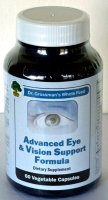
Advanced Eye & Vision Formula
Whole food based, wild crafted herbal formula with vision antioxidants.
Don’t miss the multiple bottle discounts
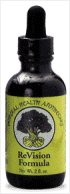
ReVision Formula (wild-crafted herbal formula) 2 oz
Based on a Classic Chinese medicine liver tonic for overall eye and general health and may reduce eye floaters.
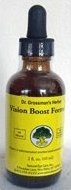
Vision Boost (wild-crafted herbal formula) 2 oz.
Supports overall energy and raise energy to the eyes. Helpful for tired eyes.

BioMax Food Multi III 180 tabs
BioMax Food Multi III 90 tabs Whole Food Organic Style Formula